A house does not need to be directly hit by flames to be seriously damaged in a bushfire. Wind-blown embers can travel well ahead of the fire front, land in roof valleys and gutters, enter small gaps, and ignite dry leaves or building materials. Knowing how to reduce ember entry gives Sydney property owners practical ways to lower this risk, particularly in leafy suburbs and areas close to bushland.
The best results come from looking at the whole property, not one weak point. Clean, protected gutters matter, but so do roof gaps, vents, underfloor spaces, windows and the vegetation immediately around the building. Every home is different, and properties in bushfire-prone areas may also have specific construction requirements based on their Bushfire Attack Level (BAL).
How to reduce ember entry at the roofline
Your roofline is one of the most exposed parts of the home during ember attack. Embers settle where leaves and twigs collect, including gutters, valleys, behind chimneys, around skylights and beneath solar panels. Once debris is dry, a small ember can create a fire in a place that is difficult to see and reach safely.
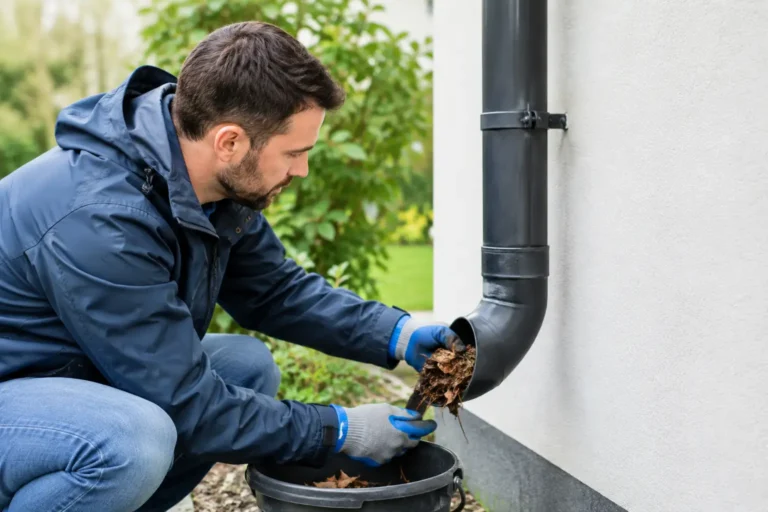
Start with a thorough roof and gutter clean. This should remove built-up leaves, bark, seed pods and fine debris, not simply clear the gutter outlets. Debris in roof valleys is just as significant as debris inside the gutters because it can hold embers against the roof surface or wash back into the gutter during rain.
A quality aluminium mesh gutter guard can substantially reduce the amount of larger leaf litter entering the gutter while allowing water to drain through. It is not a substitute for all maintenance, and no mesh system makes a property fireproof. Fine material can still settle on top of the mesh, particularly beneath gum trees, so periodic inspection and cleaning remain necessary. However, keeping gutters clearer of combustible fuel is a sensible part of a broader ember protection plan.
Professional installation matters here. Mesh must be secured correctly and shaped to suit the roof profile so it does not lift, sag or create places for debris to gather. Before any guard is installed, the roof and gutters should be cleaned and checked for existing issues such as loose tiles, corroded sections or poor drainage.
Check roof gaps and penetrations
Embers look for openings. Inspect the junctions around roof sheets, tiles, ridge capping, eaves, skylights, pipes, antennas and solar equipment. Damaged flashing, dislodged tiles and open gaps beneath roof edges can give embers access to the roof cavity.
Repairs should be completed with suitable non-combustible or bushfire-rated materials where required. Avoid trying to seal every opening without advice, as roof spaces still need appropriate ventilation and drainage. The goal is to reduce entry points while maintaining the building’s intended performance.
Protect vents, weep holes and underfloor areas
Roof, wall and subfloor vents are necessary, but they can also be pathways for embers. In higher-risk locations, appropriately sized metal mesh screens can help prevent ember entry while preserving airflow. The mesh specification needs to suit the property’s BAL and the type of opening, so this is an area where a qualified bushfire consultant, builder or relevant trade professional can provide the right direction.
Do not overlook weep holes in brickwork, gaps around service pipes and openings beneath decks. These areas can collect leaf litter and allow embers to enter concealed spaces. Keeping the ground beside the home clear of dry organic material makes these openings less vulnerable, even where screening is not appropriate.
Underfloor areas deserve particular attention on older homes. Remove stored cardboard, timber offcuts, dry leaves and other combustible materials from beneath the building. If access is difficult or the area is heavily cluttered, arrange a professional inspection rather than crawling into an unsafe space.
Keep gutters, gardens and ground clear
A well-maintained garden can slow the path of embers to the home. This does not mean stripping the property bare. It means reducing easy fuel close to walls, windows, decks and the roofline.
Keep lawns trimmed, rake up leaf litter regularly and avoid allowing mulch to build up against the house. Store firewood, timber, outdoor cushions and other flammable items away from the building during bushfire season. Check garden beds near windows and doors, where dry leaves can quickly accumulate out of sight.
Pruning is equally important. Remove dead branches, keep shrubs managed, and create separation between trees and the roof wherever practical. Overhanging branches drop debris directly into gutters and can expose the roof to greater radiant heat if a fire occurs nearby. The right pruning approach depends on the tree species, its health and local council rules, so engage an arborist for larger or protected trees.
Decks, patios and pergolas also need regular cleaning. Leaves beneath decking boards or stored furniture can become fuel when embers blow through. Sweep these spaces, clear the gaps around posts and inspect for accumulated debris after storms and high-wind days.
Strengthen doors, windows and external openings
Windows and doors are common weak points, especially if seals are worn or screens are damaged. Check that doors close properly, weather seals are intact and flyscreens fit securely. Repair broken glass and damaged window frames promptly.
For homes exposed to a higher bushfire risk, consider whether shutters, toughened glass, bushfire-rated screens or upgraded doors are appropriate. These measures can be a significant investment, so they are best prioritised according to your BAL assessment, building design and budget. Start with the openings most exposed to nearby vegetation and prevailing winds.
Garages and sheds should not be forgotten. Their roller doors, eaves and wall gaps may allow ember entry, and they often contain fuel, paint, chemicals or garden equipment. Keep these spaces tidy, reduce stored combustibles where possible and make sure roof gutters are maintained just as carefully as those on the main house.
Build a maintenance routine before summer
Ember protection is not a once-only job. Sydney weather can fill a gutter after one storm, especially on homes surrounded by mature trees. A practical routine is more reliable than rushing through maintenance when fire danger warnings have already begun.
Inspect the roof, gutters and garden at least seasonally, and more often if your property sits beneath heavy tree cover. After strong winds, look for branches, leaves and loose roof materials. Before the hotter months, arrange a full gutter clean, clear roof valleys, test downpipes and check that gutter guards are intact and draining freely.
For commercial properties and strata sites, put these checks into a documented maintenance schedule. Larger roofs can hide debris in areas that are not visible from the ground, and responsibility can become unclear without a clear plan. Regular servicing helps protect the building, tenants and the people responsible for its upkeep.
Know when professional help is the safer choice
Roof work carries real risks. Steep pitches, fragile tiles, wet surfaces, powerlines and multi-storey access can turn a simple clean into a dangerous job. Professional roof and gutter specialists have the equipment and experience to inspect the system safely, remove debris thoroughly and identify problems that may not be obvious from ground level.
DX Gutter Guard provides roof and gutter cleaning alongside professionally fitted aluminium mesh gutter protection for Sydney homes and businesses. A proper service should leave the roofline clear, the drainage path working and the site tidy, with visible confirmation of the work completed.
If your home is in a designated bushfire-prone area, seek advice on BAL requirements before making major changes to screens, roofing, cladding or openings. Gutter protection is one valuable layer of defence, but it should work alongside compliant building measures, sensible landscaping and an up-to-date bushfire plan.
The most useful time to act is while the roof is dry, access is safe and there is time to address issues properly. A cleaner roofline and fewer gaps for embers are practical improvements that can make a meaningful difference when conditions turn dangerous.