If you live in Sydney, you already know how quickly gutters can go from clear to clogged. One windy afternoon, a bit of leaf drop, and suddenly you are dealing with overflowing water, sagging sections, stained walls or debris sitting dry on the roof. Knowing how to protect roof gutters is less about one quick fix and more about putting the right system in place before small issues turn into expensive repairs.
For most properties, the real problem is not the gutter itself. It is what ends up in it. Leaves, twigs, seed pods, dirt and roofing grit all build up over time, especially in leafy suburbs or on homes surrounded by trees. When that debris traps water, gutters stop doing their job. When it dries out, it can also increase ember risk during bushfire season.
Why protecting gutters matters more than most owners think
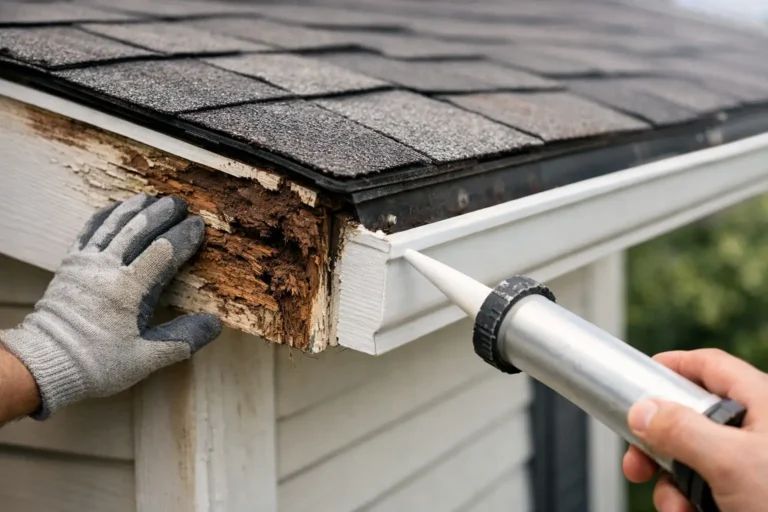
A blocked gutter does more than spill water over the edge. Overflow can soak fascia boards, damage external paint, stain brickwork and put extra pressure on the gutter line. In heavier rain, water can pool around the base of the building and contribute to drainage issues.
There is also the maintenance side. Unprotected gutters often need regular cleaning just to stay functional, and that becomes a recurring cost. For double-storey homes and commercial buildings, it also becomes a safety issue. Climbing ladders and working at roof height is not a job most owners should be handling themselves.
In many Sydney areas, fire risk is part of the conversation too. Dry leaf litter in roof valleys and gutters can create fuel for wind-blown embers. That does not mean every property needs the same solution, but it does mean gutter protection should be treated as preventative maintenance, not an afterthought.
How to protect roof gutters from blockages and damage
The best approach usually combines cleaning, inspection and a properly fitted guard system. If one part is skipped, the results are rarely as good.
Start with a full gutter and roof clean
Before any protection system goes on, the gutters and roof surface should be cleared properly. That includes removing leaf matter, sludge, twigs and any compacted debris sitting in corners, downpipe openings and valleys. If guards are installed over existing build-up, the problem is simply being covered, not solved.
A proper clean also gives you a chance to spot early signs of trouble. Loose brackets, rust, separated joints and poor fall can all affect how well the gutter performs. Protection works best when the underlying guttering is in sound condition.
Make sure water can reach the downpipes freely
Even a clean gutter will struggle if the downpipes are partially blocked or if water cannot flow efficiently towards them. That is why inspection matters. Sometimes the issue is not too much debris but poor drainage design, undersized downpipes or sections that are holding water.
This is one of those areas where it depends on the property. A small single-storey home with minimal tree cover may only need basic maintenance and targeted protection. A larger home under heavy canopy often needs a more complete system designed to reduce constant leaf load across the whole roofline.
Install quality gutter guard, not a short-term patch
If you want long-term protection, gutter guard is usually the most effective step. The key is choosing a system that actually suits Australian conditions and is installed correctly.
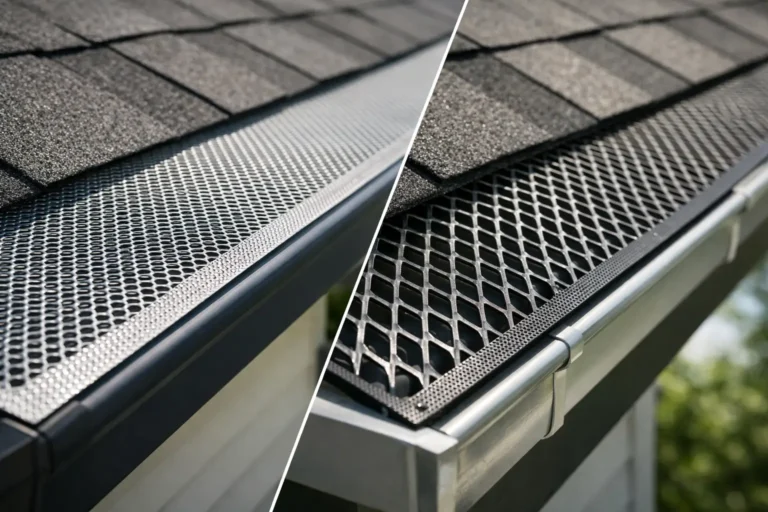
A durable aluminium mesh guard helps stop leaves and larger debris from entering the gutter while still allowing rainwater to pass through. That reduces the likelihood of blockages, overflow and ongoing build-up. It also cuts down how often gutters need to be cleaned, which is one of the biggest reasons property owners choose it in the first place.
Not all gutter guard products perform the same way. Cheaper plastic systems can become brittle over time, lift in harsh weather or fail to sit neatly against the roof profile. Poor installation can create gaps where debris still enters, or worse, interfere with water flow. A well-fitted mesh system is usually the better long-term option because it is built for durability and made to work with the roof and gutter profile rather than against it.
The areas people forget when protecting gutters
Gutters are only one part of the problem. Roof valleys, box gutters, internal gutters and hard-to-reach corners often collect debris faster than standard runs. If these sections are ignored, they can still create drainage issues even when the main gutter line looks protected.
Valleys in particular deserve attention. They carry a large amount of rainwater during storms, and when leaves build up there, water can back up quickly. On some homes, valley protection is just as important as protecting the eaves gutters.
Overhanging branches are another factor. Gutter guard helps, but if branches are dropping heavy debris directly onto the roof every week, maintenance pressure stays higher. Trimming back problem areas can improve the performance of any protection system and reduce wear over time.
Choosing the right protection for your property
There is no single answer that suits every roof. The right setup depends on tree coverage, roof pitch, gutter profile, surrounding exposure and how often the property experiences wind-driven debris.
For homes in leafy suburbs, a premium mesh guard system is often the most practical choice because it addresses the ongoing source of the issue. For commercial sites, the priority may be reducing maintenance access and keeping drainage points clear across a larger roof area. For owners in bushfire-prone locations, ember protection and debris reduction can carry even more weight.
This is where a specialist service matters. A general handyman may be able to clean a gutter, but protecting a roof properly requires knowing how different gutter profiles behave, where debris collects, and how to install protection without creating new drainage problems. That experience shows up in the finish, the fit and the long-term result.
Why professional installation makes a difference
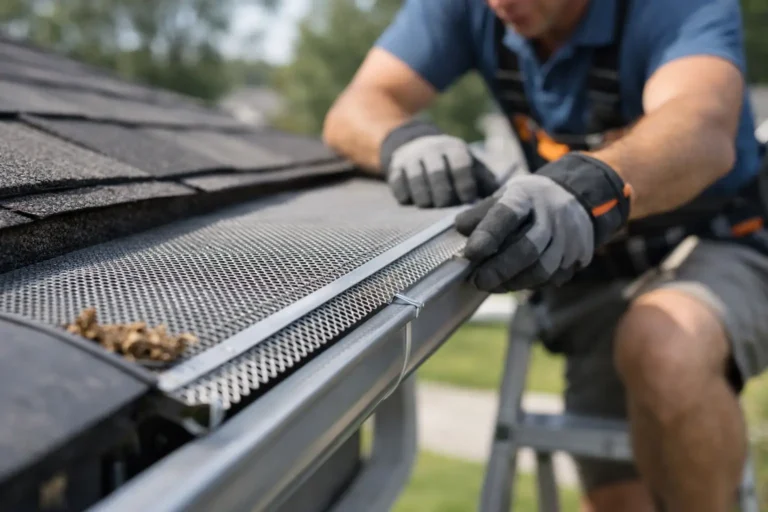
A lot of gutter problems come from poor workmanship rather than poor intentions. Mesh that is loose, badly tensioned or fixed without proper preparation can lift, sag or leave entry points for debris. If the roof and gutters were not cleaned first, trapped matter can still sit underneath and break down over time.
Professional installation is not just about getting the mesh attached. It is about preparing the roofline properly, checking the condition of the gutters, fitting the guard securely and leaving the site clean. It is also about accountability. When the work is done by a specialist team, you have a clearer standard of quality and a better chance of long-term performance.
For many Sydney property owners, peace of mind matters as much as the product itself. Knowing the job has been done safely, neatly and with materials designed to last takes a lot of pressure off future maintenance.
Signs your gutters need protection now
If you are not sure whether action is needed yet, the warning signs are usually fairly clear. Water spilling over the front edge during rain is an obvious one. So is visible plant growth, nesting material, stained fascia, sagging gutter sections or downpipes that back up in storms.
You might also notice the less dramatic signs. Gutters that need cleaning multiple times a year, debris collecting in the same areas, or roof sections that stay dirty no matter how often they are cleared all point to an ongoing protection problem, not a one-off mess.
When that pattern is already established, repeated cleaning on its own often becomes a cycle rather than a solution.
A smarter long-term approach
The most effective way to protect gutters is to think beyond the next clean-up. A proper clean, an honest assessment of the roofline and a well-installed gutter guard system can reduce maintenance, improve drainage and help protect the building from preventable damage.
That is why many owners choose to deal with the issue once and deal with it properly. Services like DX Gutter Guard are built around that idea – not just clearing what is there today, but helping prevent the same problem from coming straight back.
If your gutters are constantly filling with leaves or overflowing in heavy rain, the best next step is usually not to wait for the next storm. It is to get the roofline checked, fix the weak points and put protection in place that actually lasts.