When a gutter overflows in the middle of a Sydney storm, the cost of getting it wrong becomes very real. That is why professional vs DIY gutter protection is not just a budget question. It is a decision about safety, long-term performance and how much risk you are willing to take with your roof, gutters and property.
For some owners, a DIY product from the hardware shop looks like a quick fix. It promises fewer blockages, less cleaning and a lower upfront cost. In some situations, that can be enough. But once you factor in roof access, gutter condition, local tree coverage, ember risk and how the product is actually fitted, the gap between a DIY attempt and a professionally installed system becomes much clearer.
Professional vs DIY gutter protection: what are you really comparing?
At face value, both options aim to do the same job. They are meant to keep leaves and debris out while allowing rainwater to flow into the gutter. The difference is in the materials, the fit, the preparation work and the accountability behind the result.
A DIY setup is usually product-led. You buy a roll, strip or panel, cut it to size and secure it yourself. A professional service is system-led. It starts with inspecting the roofline, cleaning gutters, checking for existing issues and installing a product that suits the roof profile, pitch and surrounding conditions.
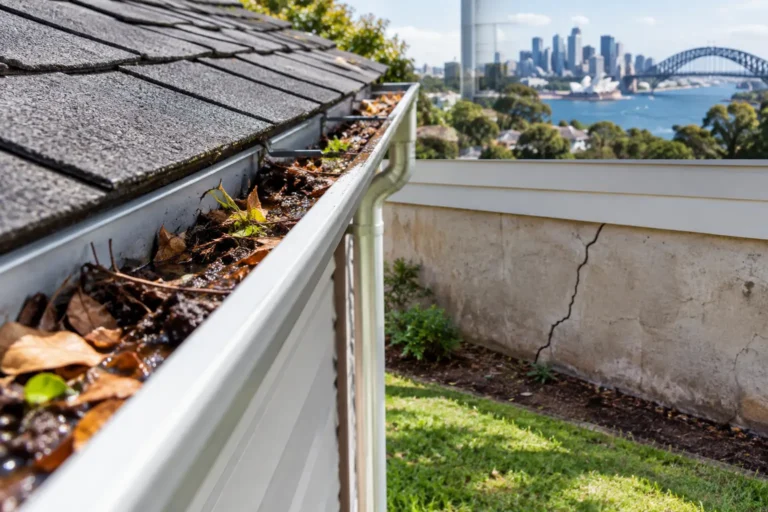
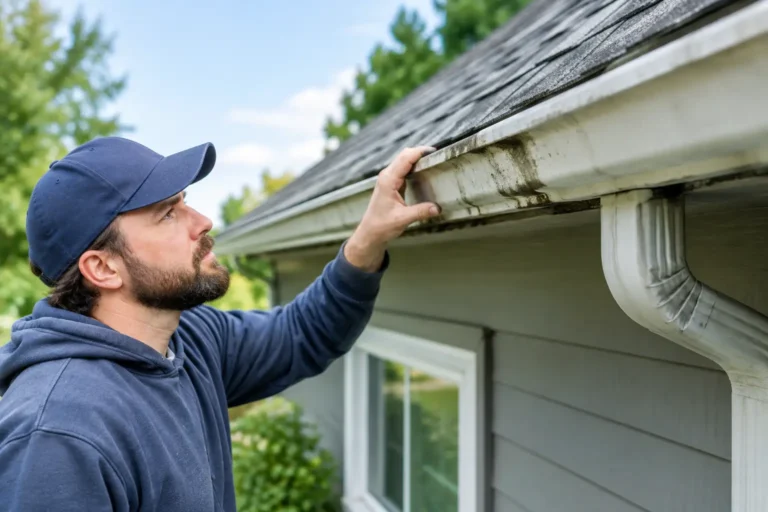
That difference matters more than most people expect. Gutter protection only performs well when the gutter beneath it is clean, correctly aligned and still draining properly. If the base problem is poor fall, rust, loose brackets or valleys dumping too much debris into one point, simply clipping something over the top will not solve much.
Where DIY gutter protection can make sense
There are cases where DIY is a reasonable option. If you have a single-storey structure with easy and safe access, very light leaf load and gutters that are already in good condition, a basic DIY product may reduce the amount of debris entering the gutter. For a shed, granny flat or low-risk outbuilding, some owners are comfortable doing the work themselves.
It can also appeal if your main goal is short-term cost control. A store-bought product usually has a lower upfront price than a full professional installation, especially if you are doing a small section rather than the whole property.
But that lower price only tells part of the story. DIY often works best when the conditions are simple. Once the roof is higher, steeper or more exposed to leaf litter, the margin for error gets smaller very quickly.
The trade-offs that often catch property owners out
The biggest issue with DIY gutter protection is not effort. It is fit and performance over time. Many off-the-shelf products are designed to suit a wide range of gutter types, which means they are not always a great fit for your specific roof and gutter profile. Small gaps can let in leaves, seed pods and fine debris. Poor fastening can lift in strong wind or shift during heavy rain.
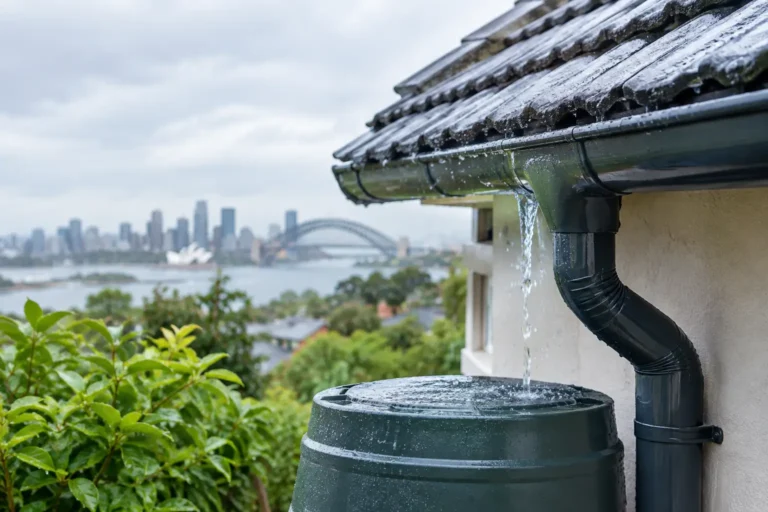
Water behaviour is another common problem. If the mesh or guard sits at the wrong angle, or if the openings are not suited to the volume of rain coming off the roof, water can overshoot the gutter edge in a downpour. On paper, the product is installed. In practice, the system is not doing its job when it matters most.
There is also the issue of what sits underneath. If debris is already compacted in the gutter before the guard goes on, you are trapping the problem in place. That can lead to hidden build-up, added moisture, rust and extra cleaning later.
Why professional installation usually delivers better value
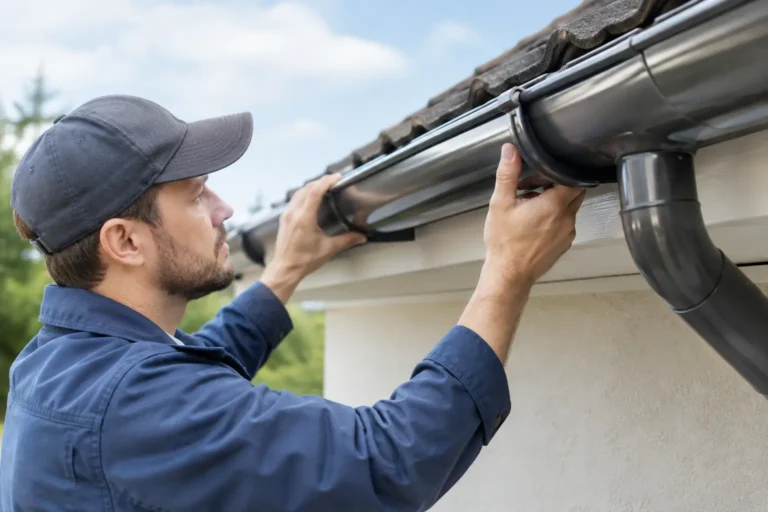
Professional gutter protection tends to cost more upfront because it includes more than just the product. You are paying for safe access, roof and gutter assessment, proper preparation, correct installation and a result that is designed to last.
That preparation stage is where much of the value sits. A professional team will usually clean the gutters first, remove existing debris, check the line and condition of the guttering, and identify any repairs or drainage issues that need attention. This creates a proper base for the protection system to work as intended.
Material quality is also a major difference. Premium aluminium mesh systems are built for long-term exposure to sun, rain and debris. They are generally more durable than lightweight plastic or thin metal alternatives, and they are better suited to homes in leafy suburbs or properties exposed to regular storm activity.
Just as important is accountability. When a specialist installs the system, there is a clear standard of workmanship behind it. That matters if you want confidence that the product has been fitted properly and will keep performing over the years.
Safety is not a minor factor
Roof work is one of those jobs that can look straightforward from the ground. It rarely feels that way once you are up there with tools, cut mesh and ladders on uneven surfaces. Even on a single-storey home, the risk of a fall is real. Add wet tiles, steep pitches, awkward access points or high sections around a commercial building, and DIY becomes far less attractive.
For many Sydney property owners, this is the point where the decision becomes simple. Saving money on installation is hard to justify if the work puts you, a family member or a staff member at risk. Professional installers have the equipment, experience and work practices to do the job more safely.
Professional vs DIY gutter protection for Sydney conditions
Sydney properties do not all face the same conditions, but many share a few common challenges. Leafy streets, sudden downpours, coastal exposure in some areas and bushfire concerns in others all place extra demands on a gutter protection system.
If your home backs onto trees, sits near bushland or regularly deals with bark, blossoms, twigs and fine leaf matter, product choice becomes critical. A poorly chosen DIY guard may stop larger leaves while still allowing smaller debris to collect and compact. In ember-prone areas, the quality and coverage of the system matter even more.
That is why a tailored approach usually performs better than a generic one. A specialist can assess the kind of debris your roof collects, the way water moves across the roof and valleys, and the level of maintenance reduction you can realistically expect.
Cost now versus cost later
DIY often wins on sticker price. Professional installation often wins on total value over time.
If a cheaper product fails early, lifts, clogs, causes overflow or needs frequent adjustments, the savings disappear fast. You may end up paying for repeated cleaning, replacement materials or repairs to fascias, eaves, walls or landscaping affected by poor drainage. If hidden water damage develops, the costs can become much harder to ignore.
By contrast, a professionally installed system is more likely to reduce maintenance properly and hold up over the long term. For homeowners and property managers who want fewer call-outs, fewer surprises and less time spent worrying about blocked gutters, that reliability is often the smarter investment.
Who should choose DIY and who should call a specialist?
DIY may suit you if the structure is low and easy to access, the guttering is simple, the debris load is light and you are confident working safely at height. It is a more reasonable option for minor, low-risk applications where performance expectations are modest.
Professional installation is the better fit if your property is double-storey, surrounded by trees, exposed to heavy weather, affected by ember risk or already showing signs of drainage issues. It is also the better choice if you want a long-term solution rather than a weekend project that may need revisiting after the next storm.
For most occupied homes and commercial buildings, the question is less about whether a DIY product can be fitted and more about whether it will deliver dependable protection year after year. That is where specialist installation usually stands apart.
A company like DX Gutter Guard approaches the job as a complete protection service, not a box of materials. That means cleaning, preparing, installing properly and leaving the property tidy, with a clear focus on long-term results.
The better question to ask
Instead of asking which option is cheapest, ask which option gives you confidence the next time heavy rain hits. If your goal is real protection, reduced maintenance and a system that is fitted to suit your roof rather than forced to fit it, professional work usually earns its keep.
Gutters are easy to ignore until they fail. Choosing the right protection before that happens is one of the simplest ways to avoid preventable damage and keep your property in better shape for years to come.