Foam Gutter Guard Guide: Gutter Protection, Pros and Cons of Foam Gutter Protector Options for Storm Season
If you’ve been battling clogged gutters every storm season and searching for a simple way to stop leaves before they cause damage, you’ve likely come across the foam gutter guard.
But does a foam gutter guard really deliver long-term gutter protection? Or are there hidden drawbacks homeowners should consider?
In this guide, we break down the pros and cons of foam, how foam gutter guard systems work, how they compare to mesh alternatives, and whether they’re the right solution for your roof and gutter system. If you’re an Aussie homeowner weighing up your options, this article will help you make a confident, informed decision.
What Is a Foam Gutter Guard and How Does It Work in Your Gutter?
A foam gutter guard is a porous insert designed to sit inside the gutter. Typically made from polyurethane foam or polyether, it fills the channel while allowing rainwater to pass through its open-cell structure. The idea is simple: water flows through the foam, while leaves and debris stay on top and blow away.
Unlike a mesh system that sits over the top of the gutter, foam inserts are placed directly into the channel. Many products are marketed as easy to install, often appealing to the DIY homeowner looking for an inexpensive gutter guard option. You simply cut to size and place the foam into the gutter, ensuring it fits snugly from end to end.
Because the material is porous, it allows rainwater to filter through while blocking larger leaf and twig debris from entering the gutter. In theory, this helps prevent blockage and reduces the need for frequent gutter cleaning. However, how well it performs over time depends heavily on environmental conditions and maintenance.
Pros and Cons of Foam Gutter Guard Systems
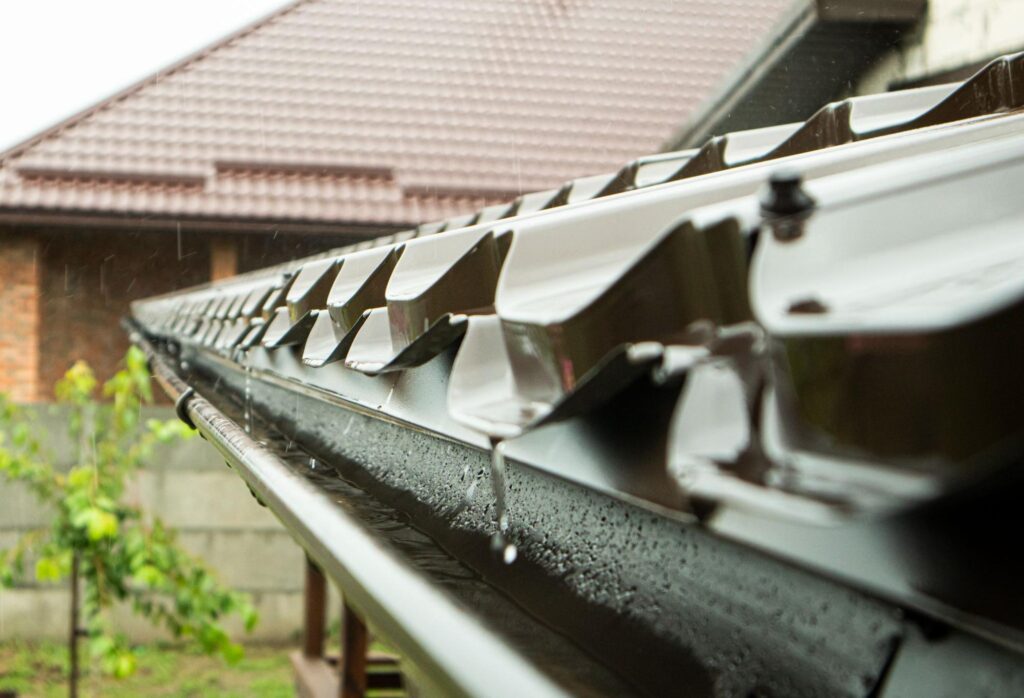
When evaluating the pros and cons of foam, it’s important to look beyond the marketing claims. Foam guards do offer certain advantages, especially for homeowners seeking a quick and cost-effective solution.
The Pros
One of the biggest selling points of foam gutter guard systems is that they are easy to install. For many, it’s a straightforward DIY project requiring minimal tools. They are lightweight, can be cut to size, and easily installed without screws or brackets.
Foam products are also typically cost-effective, often positioned as the cheapest option among the different types of gutter guards. Some higher-end versions are uv stabilised, helping them withstand Australian sun exposure better than basic foam materials.
Certain models claim to be fire retardant, which may appeal to homeowners in bushfire-prone regions. However, it’s critical to check whether the product is genuinely ember proof or simply treated to slow ignition.
The Cons of Foam Gutter
When discussing the cons of foam gutter systems, performance over time is the biggest concern. Because foam sits inside the gutter, debris can accumulate on top and create a build-up layer. Over time, smaller particles may work their way into the material, potentially leading to clogged gutters.
Foam can also trap moisture. In shaded or damp conditions, this may lead to mould growth or premature material breakdown. In areas with heavy leaf fall, the foam may clog and restrict water flow, causing overflow during heavy rain.
Additionally, foam inserts may not provide true bushfire ember proof protection. While some are labelled fire retardant, they may still allow embers to settle and ignite trapped leaves and debris.
Foam Gutter Guard vs Mesh Gutter Guard: Which Gutter Protection Is Better?
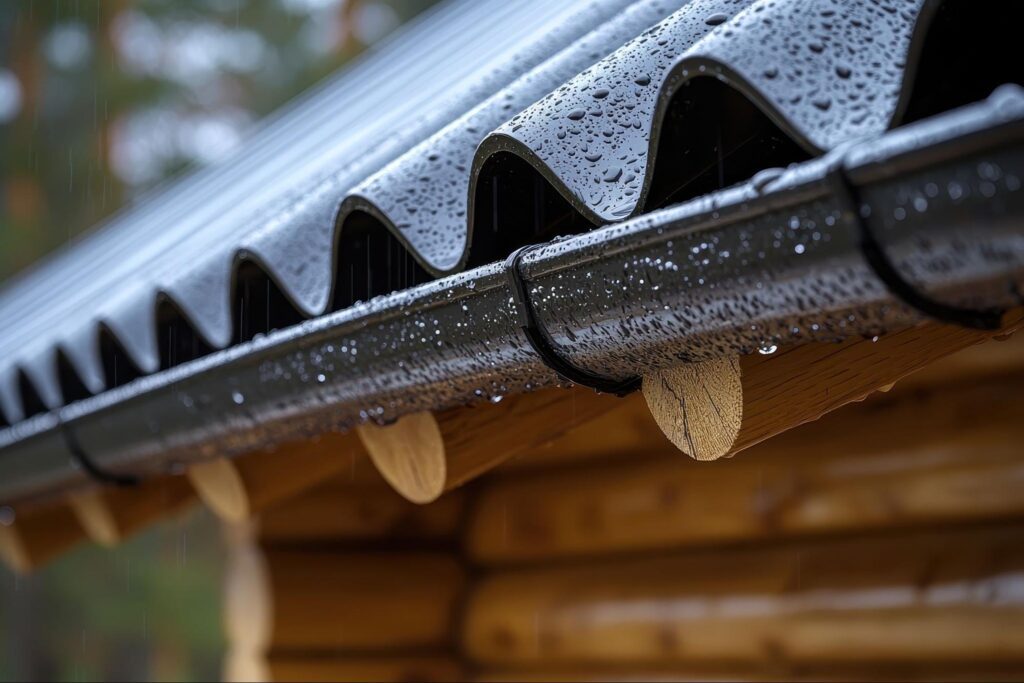
When comparing foam to a mesh gutter system, the differences in design and durability become clear.
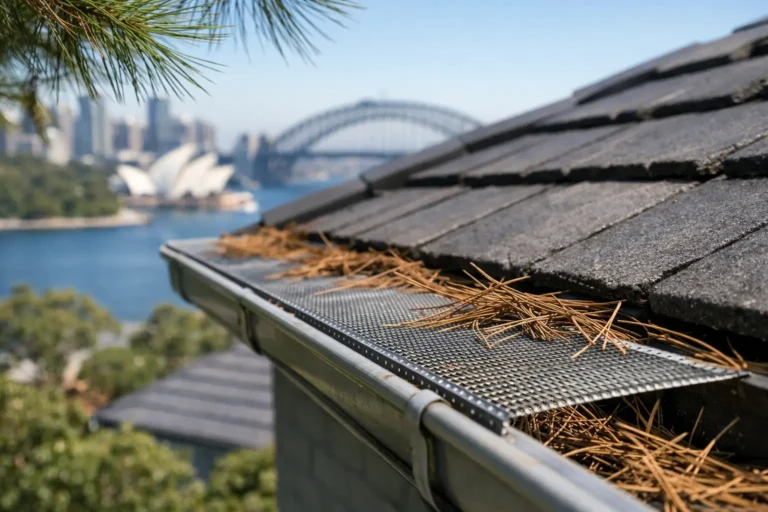
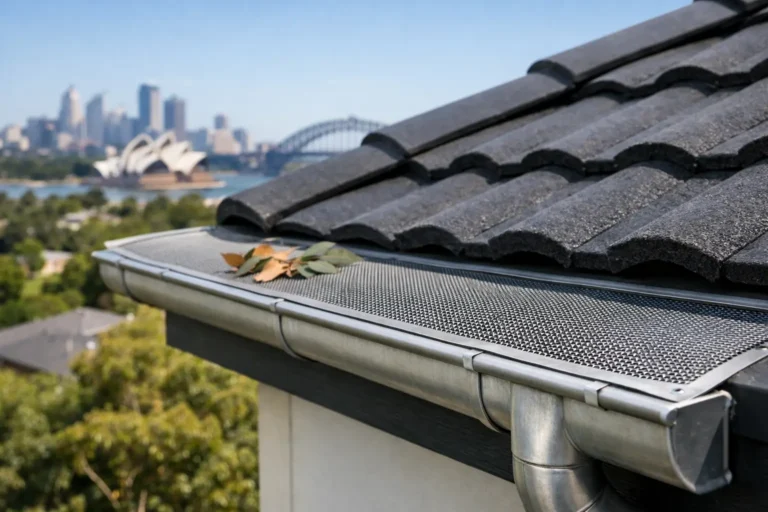
A mesh-based gutter guard system sits on top of the gutter rather than inside it. This design helps prevent debris from entering the gutter in the first place. High-quality gutter mesh, particularly aluminium or stainless steel mesh guards, allow rainwater to flow freely while leaves slide off naturally.
Foam gutter guard systems, by contrast, rely on water filtering through the material. If debris accumulates on top, water may struggle to pass through quickly enough during storm season, increasing the risk of overflow.
In terms of durability, aluminium mesh options tend to be more durable and resistant to UV exposure, high temperatures, and weather extremes. Foam, even when uv stabilised, may degrade over time under harsh Australian sun conditions.
For homeowners seeking long-term effective gutter protection, mesh systems often outperform foam in lifespan and reliability.
How Foam Gutter Guard Handles Debris, Leaf Build-Up and Blocked Gutters
One of the main reasons homeowners consider foam guards is to prevent leaves and debris from entering the gutter. Initially, foam can be effective at stopping larger leaf and twig material from dropping into gutters and downpipes.
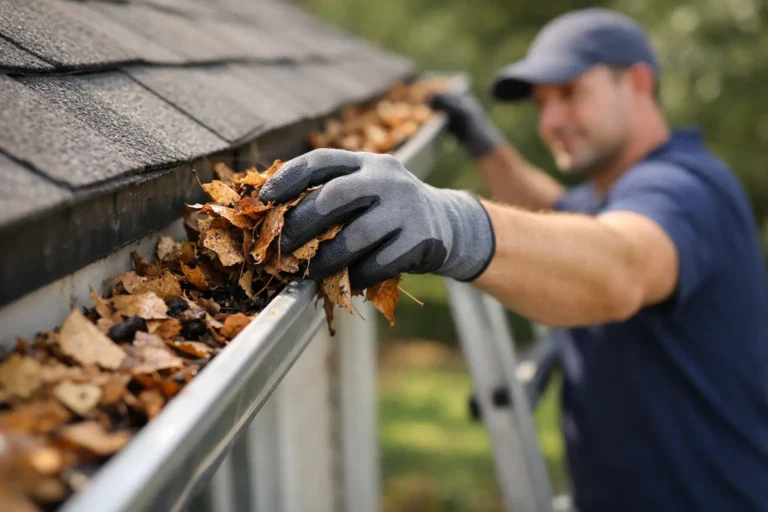
However, because the foam sits inside the channel, debris can accumulate on top, especially during storm season. If not maintained, this build-up can create a surface blockage that reduces water absorption speed. Over time, this may lead to clogged gutters and potential overflow issues.
Fine particles, dust, and organic material can also settle into the porous material. As this happens, the level of clean water flow decreases, and homeowners may need to remove and flush the foam regularly.
While foam guards can reduce debris entering the gutter initially, they do not completely eliminate maintenance.
Installation: DIY Foam Inserts vs Professional Installation
Foam gutter guard systems are heavily marketed as a DIY solution. Many products available at Bunnings promote themselves as easy to install, requiring no screws or brackets.
To install, gutters must be cleaned thoroughly before placing foam inserts inside. The material is then cut to size and positioned flush along the length of the gutter. While this seems straightforward, correct fit is essential to prevent gaps where debris can enter.
However, professional installation offers a different level of reliability. A professional installer assesses roof pitch, gutter slope, and overall system performance to ensure optimal water flow. In some cases, homeowners may start with foam but later upgrade to a more premium integrated mesh system for improved durability.
Choosing between DIY and professional installation often comes down to budget, long-term goals, and the desired level of peace of mind.
Are Foam Gutter Guards Suitable for Australian and Bushfire Conditions?
For Aussie homeowners, climate matters. Australian conditions include intense UV exposure, high temperatures, heavy rain, and bushfire risk.
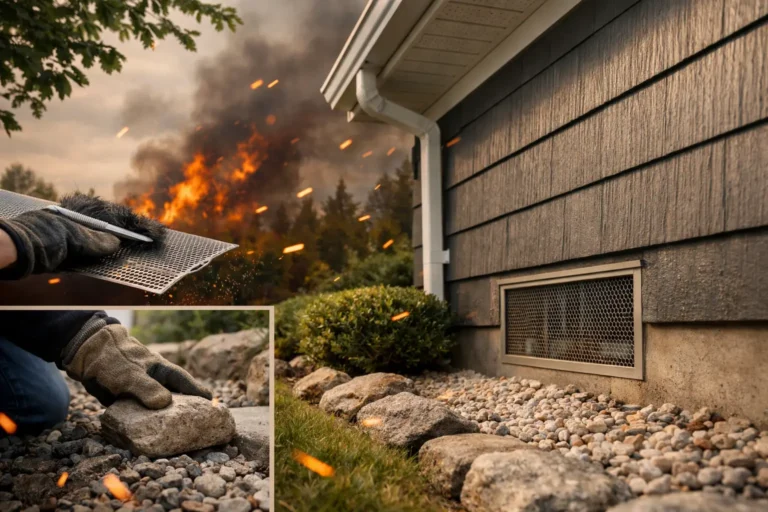
Some foam gutter guard products claim to be fire retardant or ember resistant. However, true bushfire protection requires systems specifically designed to prevent ember entry. Foam sitting inside the gutter may still allow ember exposure, particularly if leaves and debris accumulate on top.
UV exposure is another concern. While uv stabilised foam products exist, prolonged sun exposure can reduce durability and shorten lifespan. By comparison, aluminium mesh systems are typically more resistant to harsh weather.
If bushfire proof performance and long-term durability are priorities, homeowners should carefully assess whether foam meets those standards.
Lifespan, Durability and Maintenance of Foam Gutter Guard
The lifespan of a foam gutter guard varies depending on material quality and environmental exposure. High-quality polyurethane foam products may last several years, but lower-grade materials can deteriorate more quickly.
Foam’s porous nature makes it susceptible to moisture retention. Over time, this can affect durability and create maintenance demands. Homeowners may need to remove and flush foam guards periodically to maintain performance.
Some manufacturers offer a limited warranty, but coverage may vary. It’s important to check product specifications before purchasing.
While foam can be cost-effective upfront, ongoing maintenance and potential replacement costs should be factored into your decision.
Should You Install Foam Gutter Guards or Consider Other Types of Gutter Guards?
When weighing the different types of gutter guards, foam remains one of the more affordable options. It can serve as a temporary or short-term solution for homeowners wanting to reduce leaf entry quickly.
However, for those seeking a more effective gutter solution with long-term proof performance, aluminium mesh guards may provide better overall results. Mesh systems help prevent blockage at the top of the gutter rather than filtering water through material inside the channel.
Ultimately, the right choice depends on your budget, roof design, local tree coverage, and risk factors such as bushfire exposure.
Final Verdict: Is Foam Gutter Guard Worth It for Your Home?
Foam gutter guard systems offer an inexpensive and easy to install option for basic gutter protection. They can help reduce leaf accumulation and provide short-term relief from frequent gutter cleaning.
However, they are not maintenance-free, and their durability under harsh Australian weather can vary. Over time, debris build-up, moisture retention, and potential overflow may limit effectiveness.
If you’re a homeowner looking for a quick DIY fix, foam may suit your needs. But if you want long-term protection for your roof, gutters and downpipes, and greater peace of mind during storm season, investing in a more durable, high-quality gutter guard system may be the smarter choice.
Before you install gutter guards, consider your long-term goals. A professional assessment can help you determine whether foam is sufficient or whether a premium mesh solution will better protect your home from blocked drains and costly water damage.
Protect your gutter system properly — and choose a solution built to handle Australian conditions.
FAQs
A foam gutter guard is designed to assist in preventing any debris from entering the gutter by allowing water to pass through its porous structure while stopping larger leaves and twigs. However, smaller particles can still settle over time, so occasional maintenance is recommended to maintain effective gutter protection.
Yes, the gutter slot and overall gutter profile can affect how well a foam gutter guard fits and performs. The foam must sit securely within the gutter channel to prevent gaps where debris could enter. Choosing the correct size ensures better water flow and improved gutter protection.
Most foam gutter guard products are manufactured using polyurethane or polyether materials engineered to be porous and lightweight. During manufacture, the foam is shaped and cut to standard gutter sizes, allowing it to be easily installed as a gutter protector solution.
Foam gutter guards help reduce the chance of blockage by filtering water through the foam while stopping larger debris. However, if leaves accumulate on top, water flow may slow. Regular inspection ensures the gutter remains clear and continues preventing any debris build-up that could cause overflow.
Foam gutter guard products are compatible with many standard Aussie gutter systems, provided they are properly sized to fit the gutter slot and profile. It’s important to check compatibility before installation to ensure the gutter foam performs effectively as a long-term gutter protection solution.