Replacing gutter brackets is a crucial home maintenance task that can significantly impact the efficiency of your drainage system. With the right tools and materials, along with this comprehensive guide, you can tackle this DIY project with confidence. This article will take you step by step through the process of removing old brackets and installing new ones, ensuring that you’re well equipped to keep your gutter system in optimal condition.
What Tools Do I Need to Replace Gutter Brackets?

Before you get started on the gutter bracket replacement, it’s essential to gather all the necessary tools for the job. The basic tools you will need include a sturdy ladder to reach your roof and gutters safely. A screw gun or drill will be required to fasten the new brackets securely. Additionally, a level is important to ensure that your new brackets are installed correctly, preventing sagging that can lead to water accumulation. You may also need a pry bar to assist in removing the old brackets and a measuring tape to determine the correct positioning of the new gutter brackets.
When selecting tools for your gutter bracket replacement project, consider the material of the brackets you will be installing. If you choose metal brackets, ensure your screw gun has the appropriate bits to handle them. For those who prefer a DIY approach, having a versatile toolkit with various sizes of screws is a good idea, as it allows you to tackle any adjustments as needed. Additionally, ensure that your ladder is stable and appropriate for the height of your home to keep you safe while you work.
Safety should always be a top priority when working on home improvement projects. As you prepare to replace your gutter brackets, don’t forget to wear safety goggles to protect your eyes from debris and dust. Gloves are also important to keep your hands safe from sharp edges on the brackets. A hard hat can provide extra protection if you’re working under a roof edge where tools or materials might fall. Following these safety measures will help ensure that you complete your project without injury.
What Materials Are Required to Install Gutter Brackets?
There are various types of gutter brackets available on the market, each designed for different types of gutters and roofing systems. Common options include fascia brackets, which are designed to attach directly to the fascia board of your roof, and strap brackets, which can support the weight of gutters more effectively in certain conditions. When choosing brackets, consider the weight they will need to support, especially during heavy rain, as this will impact their performance and your gutter system’s longevity.
You can purchase gutter brackets and other materials at a local home improvement store or online. When shopping, be sure to check the specifications of the brackets to ensure they match your existing gutter system. Additionally, it’s wise to buy from reputable suppliers that offer quality materials, as this will help you avoid future issues with your gutter system. Don’t hesitate to ask for advice from store staff on the best options for your specific project.
To ensure the longevity and effectiveness of your gutter system, it’s crucial to select high-quality materials for your new brackets. Check for durability indicators, such as rust resistance and solid construction. Look for brackets made from heavy-duty metal if you live in an area with significant rainfall, as these will better withstand the elements. Reading customer reviews can also provide insight into the performance of the materials you are considering, leading to a more informed decision.
How Do I Remove Old Gutter Brackets?
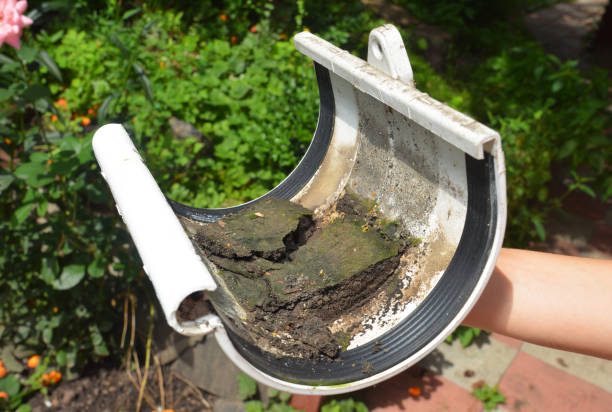
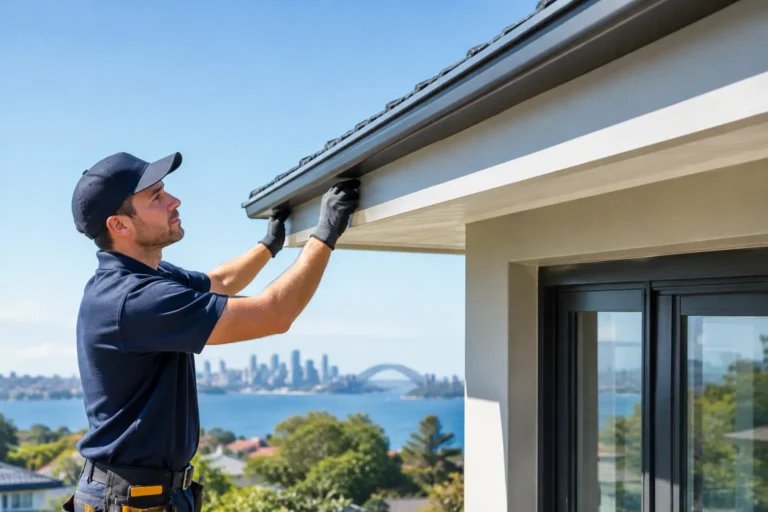
To start the removal process, you first need to get your ladder set up securely, ensuring it’s stable before you begin. Once you’re in position, begin by unscrewing the screws that attach the old brackets to the fascia board. If you encounter any resistance, a pry bar can help to gently loosen the bracket without damaging the fascia or roof. Continue this process step by step until all old brackets are removed, making sure to check for any additional screws holding them in place that you might have missed.
While removing old gutter brackets, you may encounter several common issues. One major problem is the corrosion of screws, which can make them difficult to remove. In this case, using a penetrating oil can help loosen rusted screws. Another issue might be damage to the fascia board during the removal process. To prevent this, take your time and be gentle when prying off the brackets. If a bracket is particularly stubborn, consider using a reciprocating saw to cut it out rather than risking damage to your roof or fascia.
To avoid damage to your roof and fascia during the removal of old brackets, it’s important to work carefully and methodically. Use a protective cloth or tarp to cover areas that may be prone to scratches or dents. Always apply even pressure when removing the brackets, and never force a bracket off if it doesn’t come loose easily. If you notice any signs of damage to the fascia while removing the brackets, address these issues immediately to prevent further complications during installation.
How to Attach New Gutter Brackets Correctly?

Proper positioning of new gutter brackets is essential for optimal performance. Begin by measuring the distance between the eave of your roof and the fascia board to determine where the brackets should be placed. A general rule of thumb is to space the brackets approximately two feet apart, but this can vary based on the weight of your gutters and the amount of rainfall in your area. Make sure to position the brackets so that they support the gutter’s natural slope, allowing for efficient water drainage.
Once you’ve positioned your new brackets, it’s time to attach them securely. Start by aligning the bracket with the pre-drilled holes or the marked areas on your fascia. Use your screw gun to fasten the screws firmly into place, ensuring they are tight but not overtightened, which could damage the bracket. Continue this step for all brackets in the installation, making sure each one is level and evenly spaced to maintain a consistent look and function throughout your gutter system.
To ensure that your new gutter brackets remain secure under weight, consider using additional screws for reinforcement, especially if you live in an area prone to heavy rainfall or snow. It’s also advisable to check the condition of the fascia board under the brackets; if it is loose or damaged, this can lead to sagging brackets. Regularly inspecting your installation will help you identify any potential issues early and maintain the integrity of your gutter system over time.
What Are the Best Practices for Gutter Maintenance After Installing Brackets?

Once your new gutter brackets are installed, it’s essential to implement best practices for gutter maintenance to prevent clogs and damage. Regularly check for debris such as leaves and twigs that can accumulate in your gutters, especially during fall. Installing gutter guards can be an excellent option to minimise debris buildup. Make it a habit to inspect your gutters after heavy storms to ensure they are functioning correctly and that water is flowing freely through the downpipes.
To ensure the longevity of your newly installed gutter brackets, routine maintenance is crucial. Schedule a cleaning of your gutters at least twice a year, ideally in spring and fall, to remove any accumulated debris. Additionally, check for any loose brackets or screws that may need tightening. If you notice any sagging or misalignment, address these issues immediately to prevent further damage to your gutter system. Keeping a maintenance log can be helpful in tracking your upkeep efforts over time.
Conclusion
Replacing gutter brackets is a straightforward process that you can do yourself with the right tools and steps. By following this step-by-step DIY guide, you can ensure your gutters are secure and functioning well. Remember to gather all necessary materials, take safety precautions, and double-check your work. With a little effort, you can maintain your home and prevent water damage effectively.