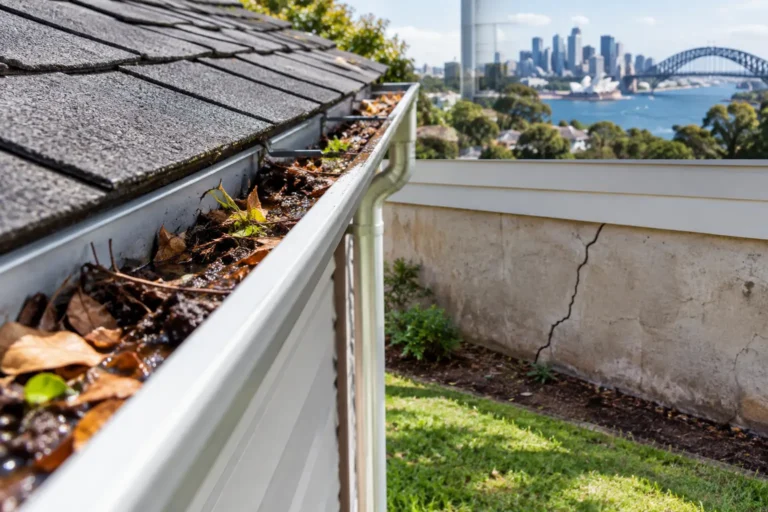
A gutter full of dry leaves is not just a cleaning problem. For homes near bushland, parkland or heavily treed streets, it can become fuel when wind-blown embers arrive. The best ember proof gutter mesh helps keep combustible debris out while allowing rainwater to drain away, but the term needs a realistic qualification: no gutter guard can make a property completely ember-proof. The right system can, however, reduce one of the most common and preventable roofline fire risks.
For Sydney property owners, the best choice is generally a professionally fitted, non-combustible aluminium gutter mesh with small apertures, secure fixings and proper roof and gutter preparation. Material quality matters, but installation detail is what determines whether the mesh continues to protect the gutter through storms, leaf fall and changing seasons.
What makes the best ember proof gutter mesh?
The best gutter mesh is designed to do two jobs at once. It must prevent leaves, bark, twigs and other debris from building up in the gutter, while also limiting access for wind-blown embers. If the openings are too large, fine leaf litter and embers can enter. If the mesh is poorly fitted, embers and debris may bypass it at edges, joins or valleys.
For properties in bushfire-prone areas, non-combustible metal mesh is the sensible starting point. Premium aluminium mesh is lightweight, corrosion-resistant and suited to Sydney’s mix of heat, rain, coastal air and falling debris. It should sit neatly over the gutter profile, hold its shape and be fixed firmly enough to resist uplift in strong winds.
Mesh aperture size is equally important. Bushfire construction requirements can vary according to a property’s Bushfire Attack Level, or BAL, and the location of the home. In many bushfire-related applications, a maximum 2 mm opening is used as the benchmark for ember protection. Your specific requirements should be confirmed for the property rather than assumed from a neighbour’s installation.
Why aluminium is a better fit than plastic guards
Plastic gutter guards may appear to be a quick, low-cost option, but they are not the preferred choice where ember exposure is a concern. Heat, UV exposure and weathering can make some plastic products brittle over time. They may also deform, lift or create places where leaf litter catches.
Aluminium mesh offers a stronger long-term balance of fire resistance, drainage and durability. It is not a substitute for broader bushfire preparation, but it avoids adding a combustible guard material directly around the roof edge.
Fine mesh should still drain properly
A common concern is that finer mesh will stop water getting into the gutter. A correctly selected and installed gutter guard manages rainwater by allowing it to pass through the mesh while shedding larger debris over the edge. The roof pitch, gutter condition, nearby trees and the volume of water the roof receives all affect performance.
This is why an off-the-shelf roll of mesh is rarely a complete solution. A system needs to match the roofline. Valleys, internal corners, downpipes, skylights and patio connections all need careful attention, particularly on larger or more complex homes.
Installation is where protection is won or lost
Even premium mesh cannot perform well over dirty gutters or loose roof debris. Leaves sitting below a guard can still block downpipes, hold moisture and create maintenance issues. Before installation, the roof, valleys and gutters should be cleaned thoroughly, with existing blockages cleared and damaged sections identified.
The mesh then needs to be installed with a secure, continuous fit. Gaps around the gutter edge, roof flashing or joins undermine the whole purpose of the system. A professional installer will shape and fasten the guard to suit the existing roof and gutter configuration, rather than forcing a one-size-fits-all product into place.
At DX Gutter Guard, this preparation is treated as part of the protection system, not an optional extra. Cleaning before installation gives the mesh a clear base to work from and helps customers start with gutters that are actually flowing as intended.
Pay close attention to roof valleys and downpipes
Roof valleys collect a disproportionate amount of leaf litter, especially after wind and heavy rain. If debris gathers above the mesh at a valley outlet, it can slow water flow and require attention even where the rest of the gutter line is clear. The right installation approach directs debris away and keeps the transition areas properly covered.
Downpipes also matter. Gutter mesh reduces the volume of rubbish entering the system, but a blocked or undersized downpipe can still cause overflow. During an inspection, it is worth checking that water has a clear route from the roof to the drainage point.
Ember protection is one part of a safer property
Gutter mesh should be viewed as a practical layer of protection, not a stand-alone bushfire solution. Embers can land in roof valleys, under decking, around vents, in accumulated garden debris and against combustible materials stored near the home. Maintaining the wider property is just as important as keeping gutters clear.
A sensible pre-season check includes clearing leaves from the roof and around the building, trimming vegetation back where appropriate, removing dry rubbish from against walls and making sure gutters and downpipes are free-flowing. Property owners should also follow the advice relevant to their local area and their home’s BAL assessment.
The advantage of quality mesh is that it reduces the amount of combustible material sitting in one of the hardest and least safe places to maintain: the gutter line. It can also reduce the need for frequent gutter cleaning in leafy suburbs, which means fewer trips up a ladder and less chance of discovering a blockage only after a major downpour.
Choosing mesh for your Sydney property
There is no single gutter guard that suits every roof. A single-storey home with wide eaves and light tree cover has different needs from a two-storey property beneath gum trees, or a commercial building with long roof runs and multiple internal valleys.
When comparing options, focus on the material, aperture size, fixing method and the installer’s preparation process. Ask whether the mesh is non-combustible, how it will be secured in windy conditions, whether the gutters will be cleaned first and how difficult roof areas will be managed. A workmanship guarantee is also worth considering, because it reflects confidence in the installation rather than just the product supplied.
Be cautious of claims that promise a maintenance-free roof or complete fire protection. All roofs benefit from periodic checks, particularly after severe weather or prolonged leaf fall. A well-installed mesh system reduces maintenance significantly, but it does not remove the need to inspect gutters, valleys and downpipes over time.
The cheapest option can cost more later
A low-priced guard that lifts, sags, corrodes or lets fine debris through may create more work than it saves. Water overflow can damage fascias, walls and foundations, while debris trapped around a poorly fitted guard can be difficult to remove. Replacing an unsuitable system is also more disruptive and expensive than selecting the right material and installation standard from the outset.
For homes exposed to leaf litter and ember risk, it is usually better to invest in durable aluminium mesh installed by a specialist who understands roof drainage, safe access and the details that protect vulnerable edges.
When should you arrange installation?
The best time is before the heaviest leaf fall or bushfire season, not after gutters have already overflowed. Booking early gives time for a proper inspection, thorough roof and gutter clean, and any repairs needed before mesh is fitted. It also means the property is better prepared before hot, windy conditions arrive.
If your gutters are already filling quickly, water is spilling over the sides, or dry leaves are collecting in roof valleys, do not wait for the next storm to expose the problem. A tailored inspection can identify whether gutter mesh is suitable and what preparation is needed to help protect your home for the seasons ahead.